

Gaze de evacuare urât mirositoare
ACASĂ / PRODUS / Tipuri de echipamente de tratare a gazelor reziduale și cazuri industriale / Gaze de evacuare urât mirositoare

- Main ingredients: Hydrogen sulfide, ammonia, mercaptans, sulfides, indoles, skatole, and other substances with pungent odors.
- Sources: Sewage treatment, garbage disposal, livestock and poultry farming, food processing, and other industries.
Malodorous waste gas has complex composition and a wide range of sources, often found in industries such as waste disposal, sewage treatment, petrochemicals, and food processing. Common equipment for treating malodorous waste gas is as follows:
Activated Carbon Adsorption Equipment
- Working Principle: Activated carbon has a highly developed pore structure and a large specific surface area, creating a powerful adsorption field. When malodorous waste gas passes through the activated carbon layer, odorous molecules (such as hydrogen sulfide, mercaptans, and ammonia) are adsorbed on the activated carbon's microporous surface, thereby purifying the waste gas.
- Applicable Scenario: Suitable for treating low- to medium-concentration, high-volume malodorous waste gas. It has a moderate adsorption effect on most common odorous components and is commonly used for odor control in locations such as waste transfer stations and sewage treatment plants. However, when treating high-concentration malodorous waste gas, the activated carbon becomes saturated quickly, requiring frequent replacement or regeneration.
Photocatalytic Oxidation Equipment
- Working Principle: Ultraviolet (UV) light is used to irradiate a photocatalyst (such as titanium dioxide, TiO₂) to generate electron-hole pairs. These pairs react with water molecules and oxygen in the exhaust gas to produce highly oxidizing hydroxyl radicals (·OH) and superoxide anion radicals (·O₂⁻). These radicals oxidize and decompose organic and inorganic odorous substances in the malodorous exhaust gas into carbon dioxide, water, and harmless small molecules.
- Applicable Scenarios: It has excellent treatment effects on a variety of odorous substances, including hydrogen sulfide, methyl mercaptan, and benzene derivatives. It can treat odorous exhaust gases of varying concentrations and is particularly suitable for treating exhaust gases with complex compositions. It is commonly used for odor control in industries such as petrochemicals and pharmaceuticals. The equipment occupies a small footprint and is simple to operate and maintain.
Biological Deodorization Equipment (Biofilter, Biotrickling Filter, etc.)
- Working Principle: Taking a biofilter as an example, waste gas containing odorous substances enters the filter. Microorganisms (such as bacteria and fungi) attached to the filter media use the odorous substances as nutrients for their growth and metabolism. Through a series of biochemical reactions, the microorganisms convert the odorous substances into carbon dioxide, water, and microbial cell matter. A biotrickling filter, on the other hand, sprays a circulating nutrient solution onto the microbial packing layer to maintain microbial activity and enhance the degradation of odorous substances.
- Applicable Scenario: Suitable for treating low- to medium-concentration, biodegradable odorous waste gases, such as those generated by food processing and sewage treatment plants, primarily composed of hydrogen sulfide and ammonia. This equipment offers low operating costs and no secondary pollution. However, its treatment effectiveness is significantly affected by environmental factors such as temperature, humidity, and pH, and its efficiency is lower for odorous substances that are difficult to biodegrade.
Plasma Deodorization Equipment
- Working Principle: Through high-voltage pulse discharge and other methods, gas molecules in the waste gas are ionized, generating a large number of high-energy electrons, ions, free radicals, and other active particles. These active particles collide with molecules in malodorous waste gas, breaking the chemical bonds of the odorous substances. This leads to oxidation and decomposition reactions, converting them into harmless or less harmful substances.
- Applicable Scrubbers: They can treat a variety of malodorous waste gases and are also effective against some chemically stable odorous substances, such as those generated by industries like rubber and plastics processing and printing. However, plasma equipment may produce byproducts such as ozone when treating high-concentration waste gas, and their energy consumption is relatively high.
Chemical Scrubber
- Working Principle: An appropriate chemical scrubbing solution (such as acid, alkali, or oxidant solution) is selected based on the composition of the malodorous waste gas. When the malodorous waste gas enters the scrubber from the bottom, it comes into countercurrent contact with the scrubbing solution sprayed down from the top, undergoing chemical reactions such as acid-base neutralization and redox reactions, thereby removing the odorous substances. For example, sodium hydroxide solution is used to remove hydrogen sulfide from the waste gas, while sodium hypochlorite solution is used to oxidize ammonia. - Application Scenarios: Highly effective in removing specific odorous substances, such as hydrogen sulfide and ammonia-based waste gases. The scrubbing fluid formula can be flexibly adjusted based on the waste gas composition. Commonly used in industries such as petrochemicals and waste incineration, this device requires regular replacement and treatment of the scrubbing fluid to prevent secondary contamination.
In practical applications, a combination of various devices is often used to achieve optimal deodorization, depending on the specific source, composition, concentration, and air volume of the odorous waste gas.
information to be updated
Clienții unității de service
Cazuri naționale de inginerie
Hangzhou Lvran Environmental Protection Group Co., Ltd. este un furnizor cuprinzător de servicii de inginerie a sistemelor de tratare a gazelor reziduale și un producător de echipamente, care integrează cercetare și dezvoltare, servicii tehnice, proiectare, producție, instalare de inginerie și servicii post-vânzare.
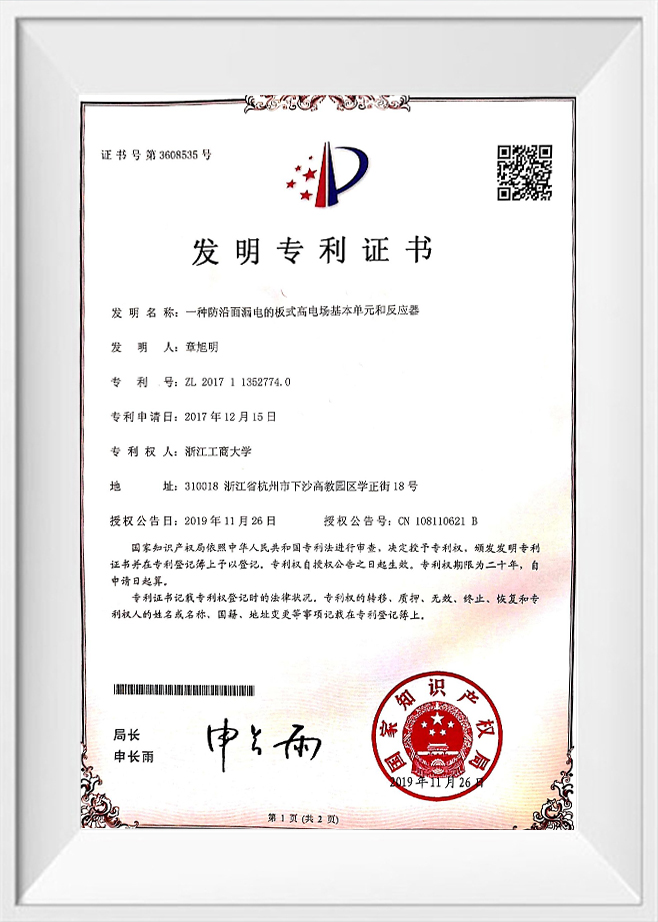
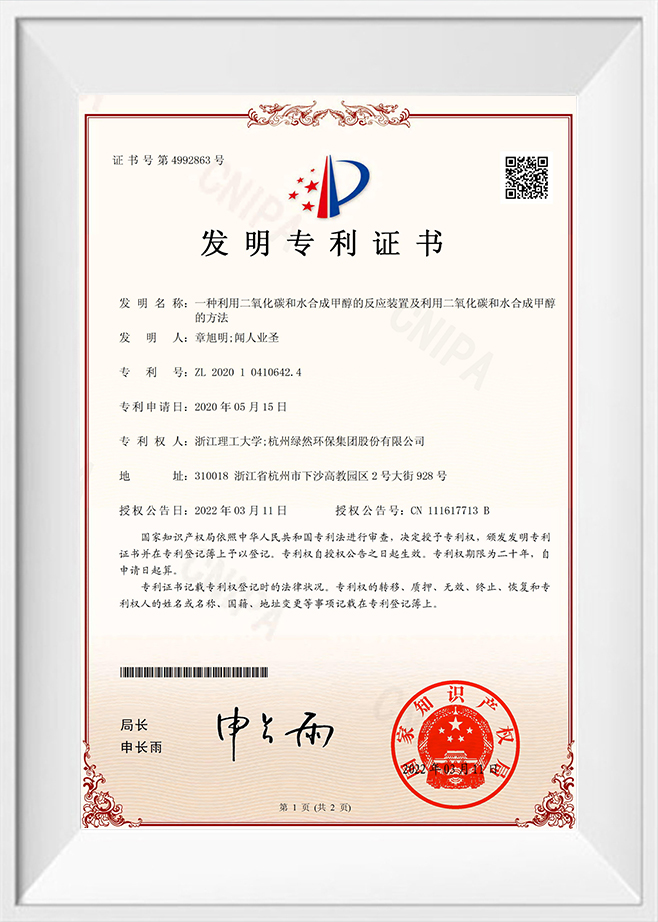
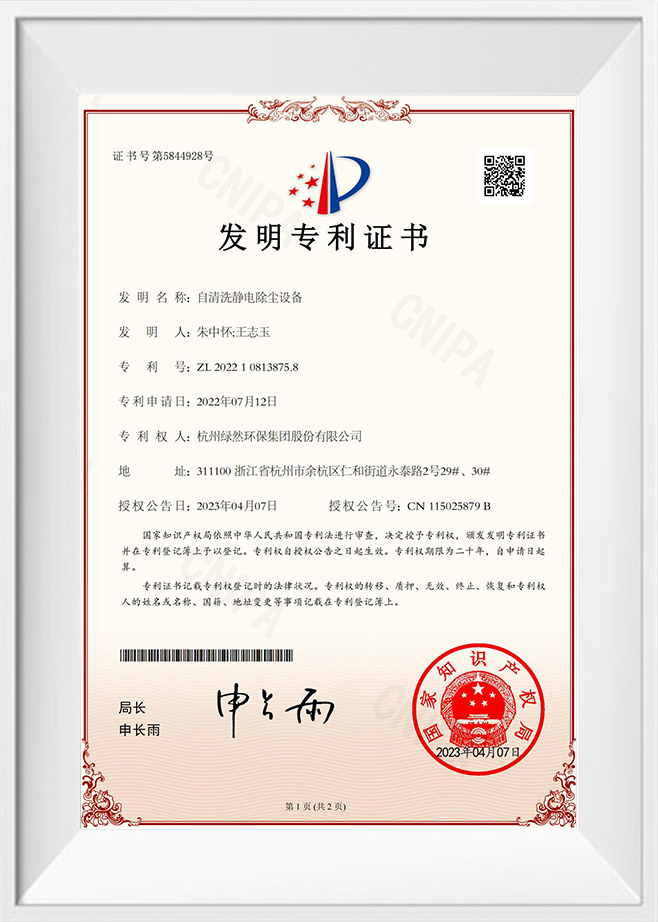
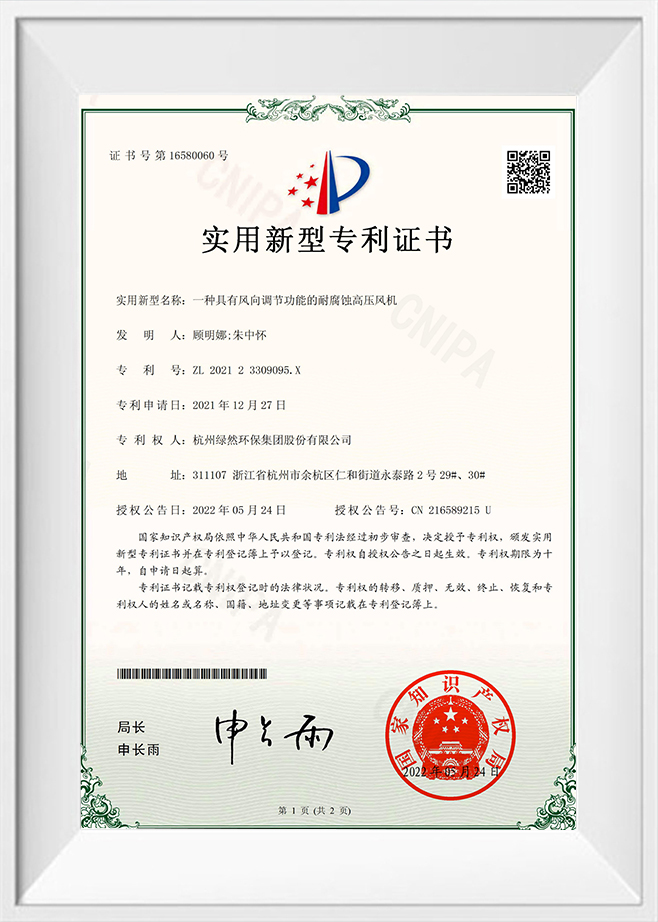
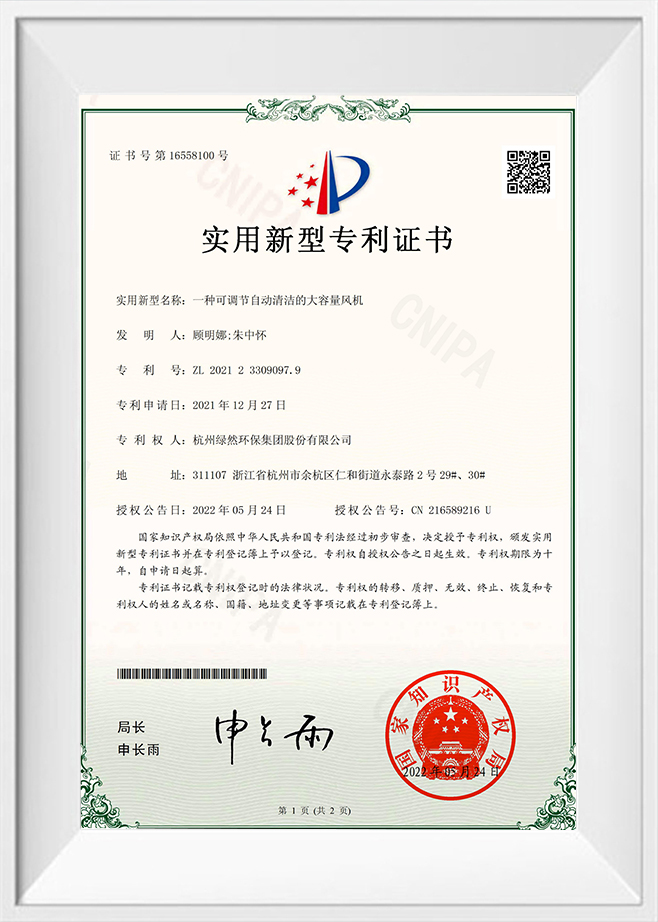
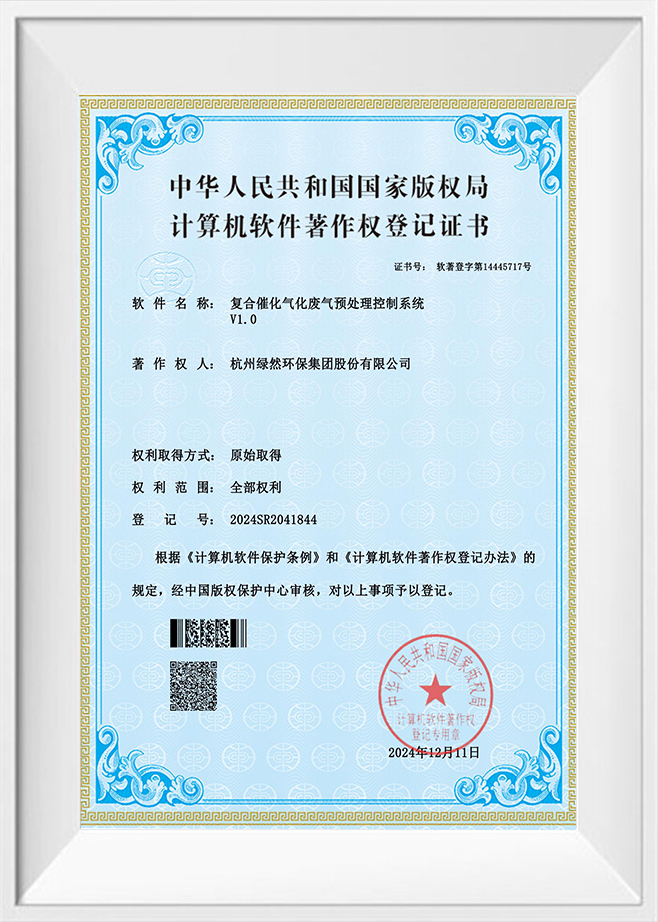
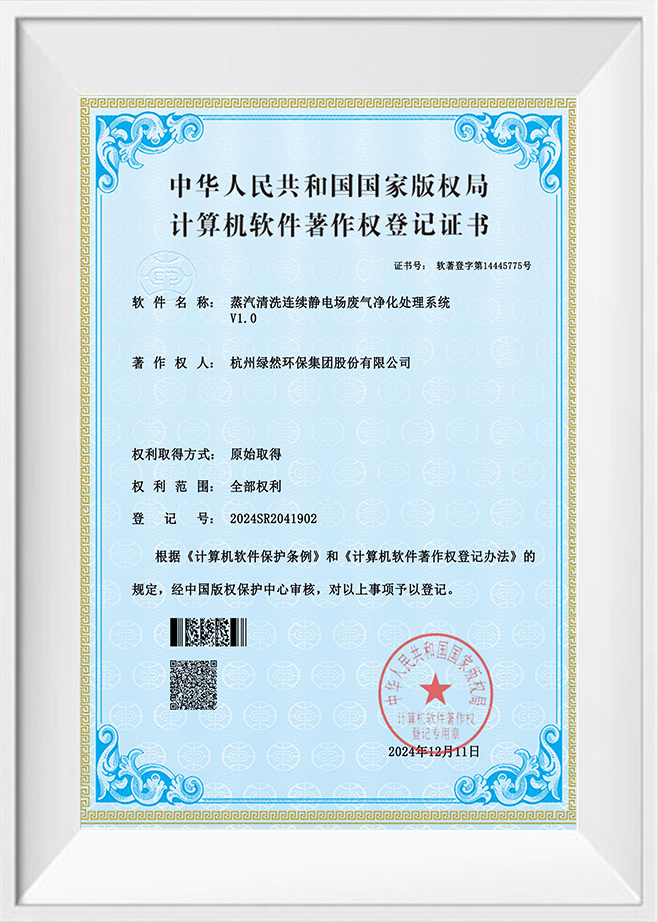
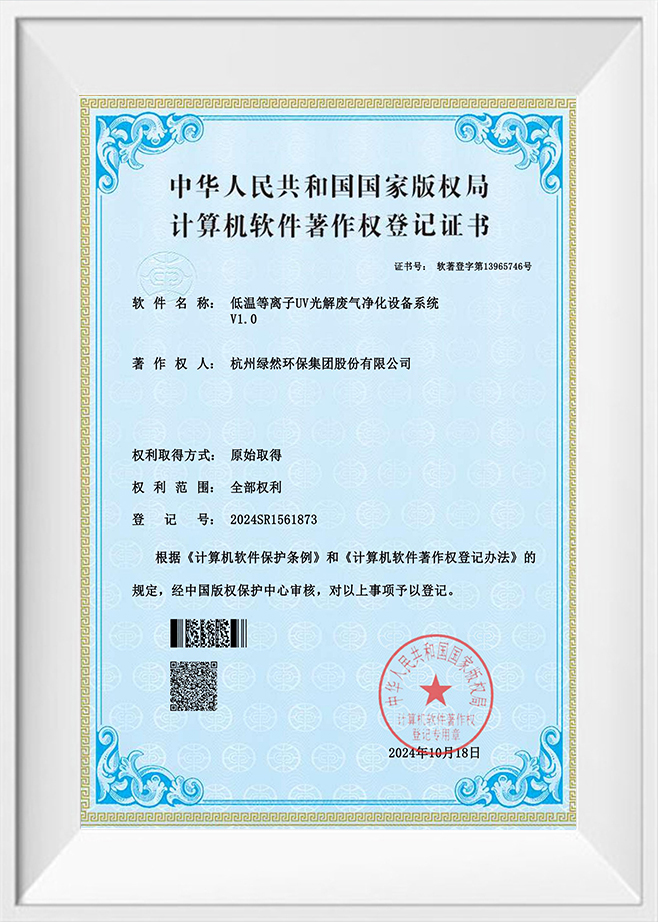
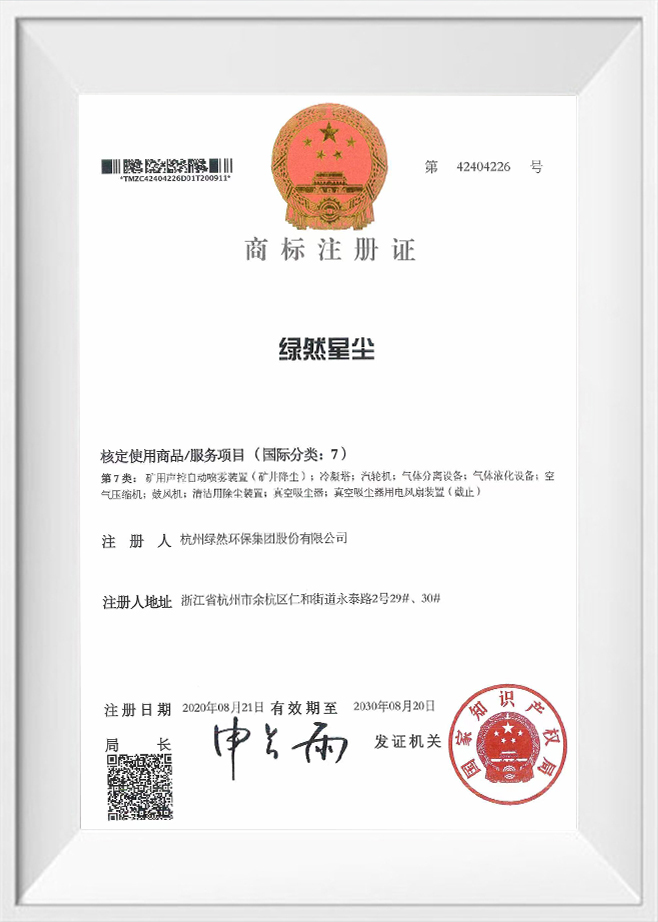
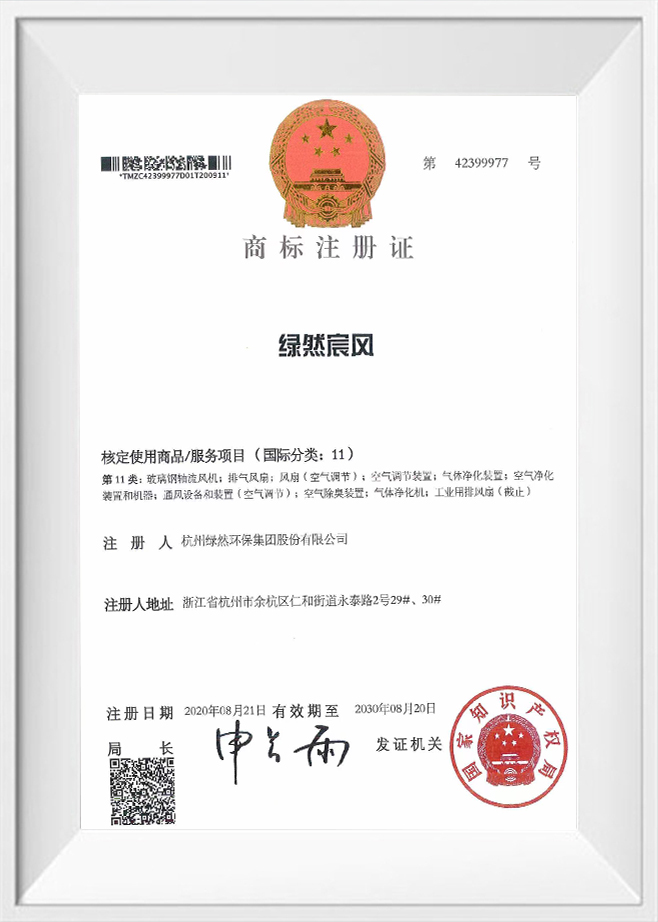
Grupul este o întreprindere națională de înaltă tehnologie, o întreprindere de știință și tehnologie din provincia Zhejiang, un centru regional de cercetare și dezvoltare și o unitate de credit cu rating AAA. Deține peste 30 de brevete de modele de utilitate, numeroase brevete de invenție și drepturi de autor pentru software. Grupul are colaborări de lungă durată în cercetare și dezvoltare tehnică cu universități și instituții naționale, inclusiv „Centrul de cercetare și dezvoltare pentru inovații de mediu” înființat cu Universitatea de Știință și Tehnologie Anhui și „Centrul de cercetare și dezvoltare pentru energie și tehnologii noi de mediu” dezvoltat în comun cu Universitatea Sci-Tech din Zhejiang. Grupul și-a stabilit propria bază de cercetare și dezvoltare și producție pentru o colaborare tehnică aprofundată. Grupul deține tehnologia de bază de tratare a gazelor VOC, deține o calificare de contractare generală de nivel 2 pentru construcții de lucrări publice municipale, o licență de producție de siguranță, o calificare specială de proiectare Clasa B pentru controlul poluării mediului în provincia Zhejiang, calificări pentru servicii de muncă neclasificate și contractare specializată pentru proiecte speciale. Grupul este certificat ISO9001 pentru calitate internațională, ISO14001 pentru managementul mediului și ISO45001 pentru sănătatea și securitatea în muncă.
Următoarele onoruri reprezintă strălucirea noastră. Câștigăm clienți cu produse de înaltă calitate și câștigăm laude de pe piață și din toate categoriile sociale cu servicii bune.
 17
Sep,2026
17
Sep,2026
08
Sep,2026
03
Sep,2026
24
Aug,2026
18
Aug,2026
Solicitați un apel astăzi